- We recommend
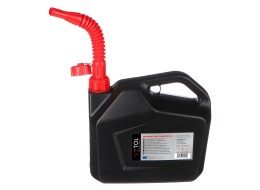
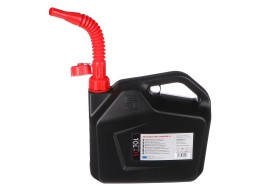
Plastic canister MECHANIC FUEL CANISTER 10L, black
In stock
8,65 Eur
DetailA fuel canister is an inconspicuous item that handles a highly flammable liquid. With a low-quality canister the difference between 'I saved a few crowns' and 'I have a problem' is often only a matter of time. In this article you’ll find practical guidance on why it’s not worth economizing on a canister, what to check when choosing one and how to use a canister correctly.
Petrol and diesel are transported and stored in conditions where leaks, spills or contact with heat can occur. Petrol also produces vapors that can accumulate in an enclosed space and in extreme cases ignite. A quality canister is therefore not just a 'container' but part of safe fuel handling.
Typical problems that occur with cheap canisters include:
The consequences are not only unpleasant. Spilled fuel can mean property damage, fire risk, environmental contamination and in some situations complications during inspections or in the context of occupational safety.
For fuel canisters it’s worth checking whether the container is intended for transport of dangerous goods. In practice you will often see the so-called UN marking (UN approval), which means the package has passed prescribed tests and is intended for a specific type of substance and transport method. For plastic canisters you will commonly find markings like 3H1 (plastic canister with non-removable lid).
SIXTOL MECHANIC FUEL CANISTER canisters indicate they meet the requirements for UN certification – i.e. they are designed for safe transport of fuels.
When choosing, pay attention mainly to these things:
Safe use is a combination of the right canister and the right habits:
Safety note: For flammables it is recommended to minimize the risk of static electricity when pouring (e.g. keep the canister and the filled device in contact and pour on solid ground, not inside a car).
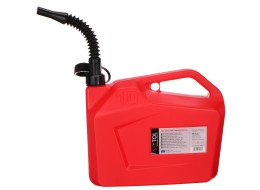
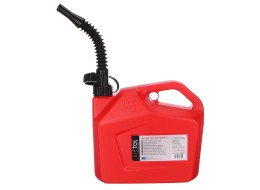
The SIXTOL range includes MECHANIC FUEL CANISTER canisters in various volumes and colours. Choice of volume is mainly about what and how often you refill.
Quick orientation by order codes:
Recommendation by use:
A fuel canister handles safety, cleanliness and convenience with every refill. With a quality canister you pay for durable material, tightness, a well-thought-out spout and verified parameters. With a poor canister you risk fuel leakage, odor, damage and unnecessary danger. If you want peace of mind during transport and pouring, choose canisters designed for fuel and with clear markings – for example the SIXTOL MECHANIC FUEL CANISTER range.